 by
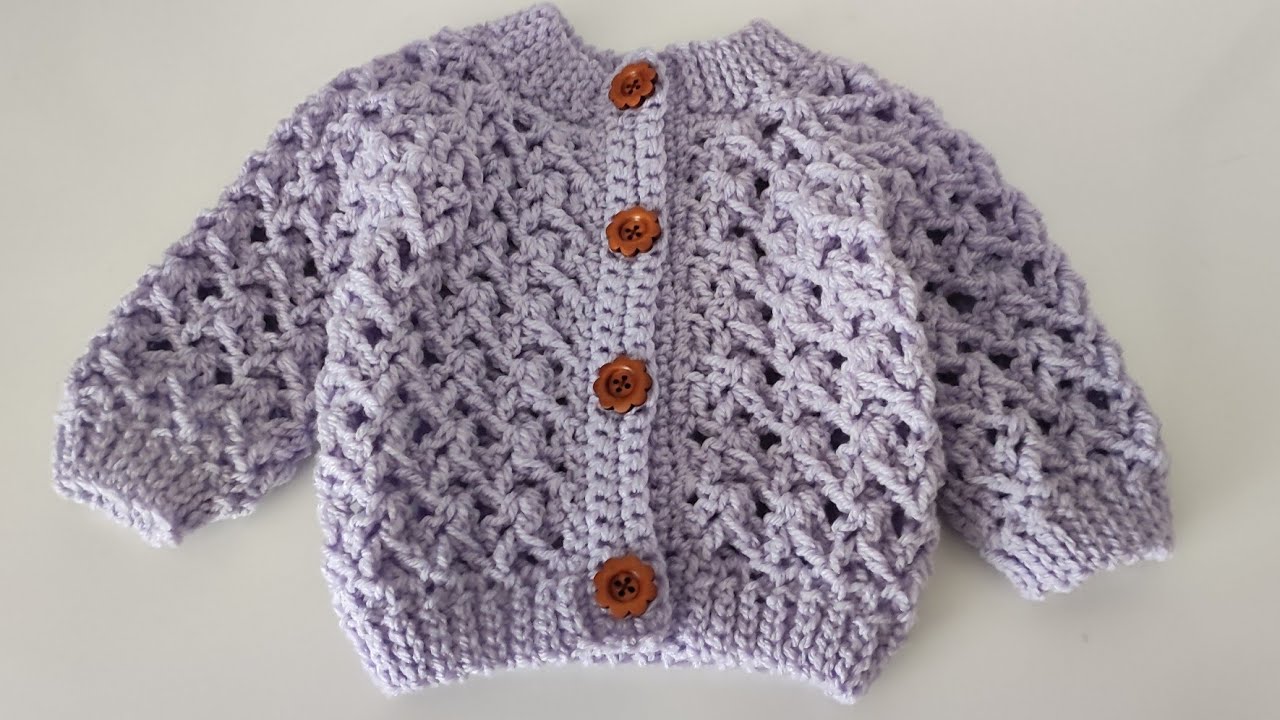
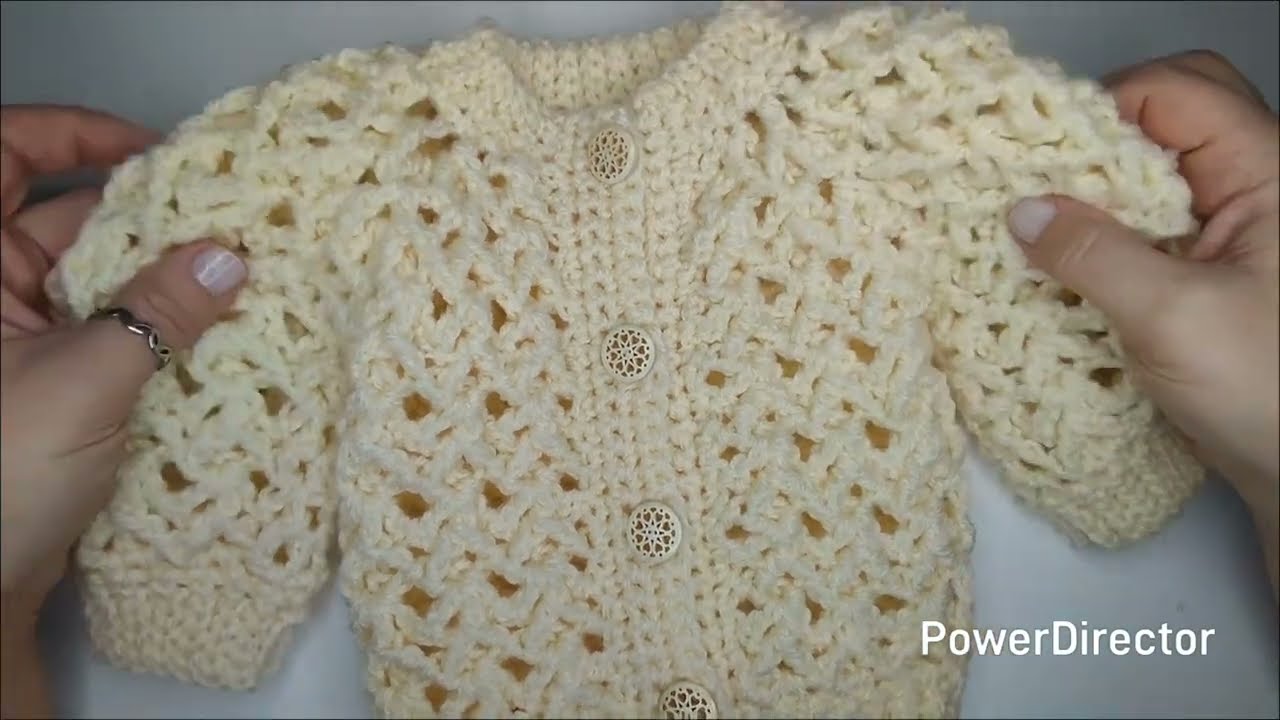
by Here’s a detailed, step-by-step guide to making a textured Aran baby sweater. Aran sweaters are known for rich texture—cables, bobbles, moss stitch, and braided patterns—traditionally inspired by Irish knitwear. When crocheted, we recreate that beautiful depth using front/back post stitches and textured techniques.
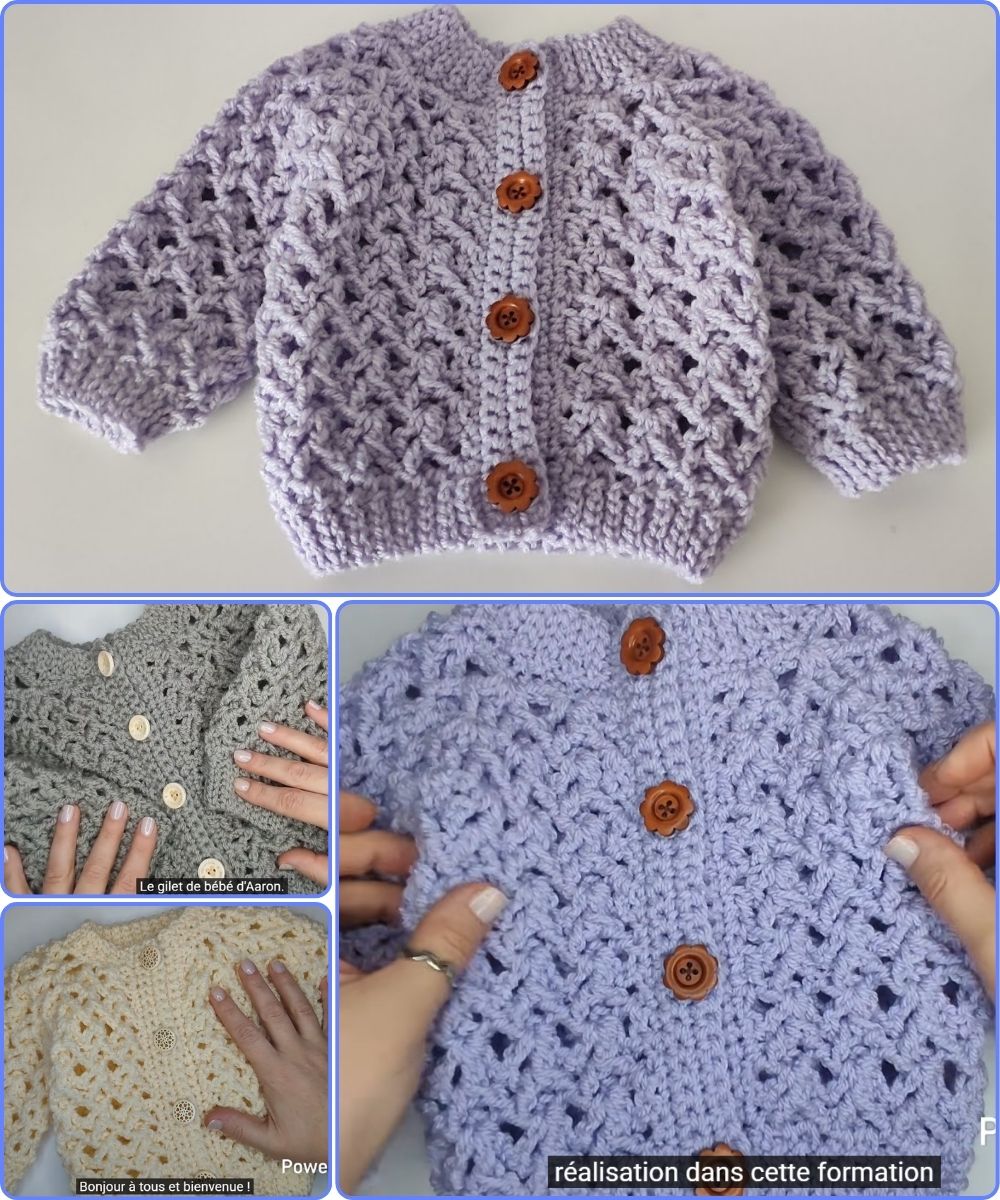
🧶 How to Crochet a Textured Aran Baby Sweater
🧵 Materials
-
Yarn: Aran (worsted) weight yarn (100% wool or soft acrylic for babies)
Approx. 400–600 yards depending on size -
Hook: 5.0 mm (H/8) or size needed for gauge
-
Stitch markers
-
Yarn needle
-
Scissors
-
3–5 small buttons (optional, for cardigan version)
📏 Sizes (Example Guide)
-
0–3 months
-
3–6 months
-
6–12 months
Adjust stitch counts based on chest measurement.
Example chest size for 3–6 months: ~18–20 inches.
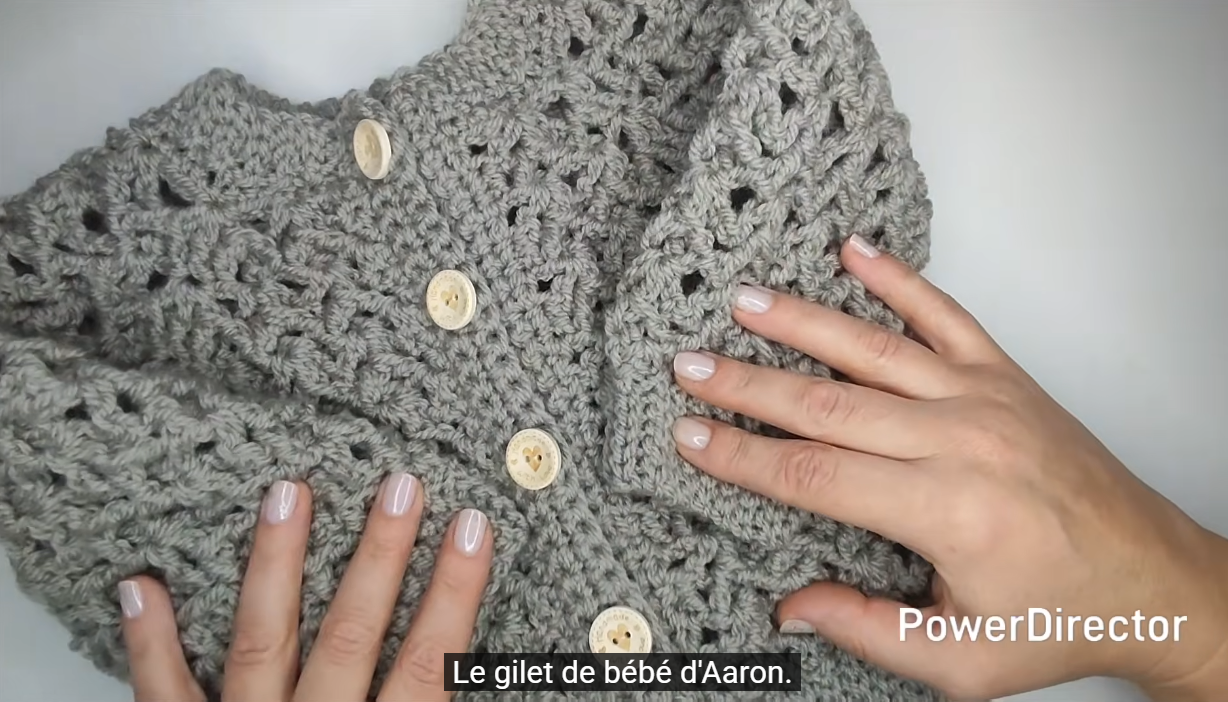
🧶 Common Stitches Used
To achieve that classic Aran texture, you’ll use:
-
Chain (ch)
-
Slip stitch (sl st)
-
Single crochet (sc)
-
Half double crochet (hdc)
-
Double crochet (dc)
-
Front post double crochet (FPdc)
-
Back post double crochet (BPdc)
-
Cable stitch (crossed FPdc)
-
Moss stitch (sc, ch 1 repeat)
Front and back post stitches create the raised cable look typical in Aran garments.
🪡 Step 1: Create the Back Panel
-
Foundation Chain:
Chain enough stitches to match baby chest width (e.g., 32–40 chains). -
Ribbing (Bottom Band):
-
Row 1: hdc in 2nd chain from hook, across.
-
Row 2+: Work in back loop only (BLO) for 6–8 rows to create stretchy ribbing.
-
-
Body Pattern:
Switch to textured Aran stitch pattern:Example pattern repeat:
-
4 dc
-
2 FPdc (cable start)
-
2 BPdc
-
2 FPdc (cross over previous FPdc for cable effect)
-
4 dc
Repeat across row.
-
-
Continue until piece measures from waist to underarm.
-
Armholes:
Decrease 2 stitches at beginning of next 2 rows.
Continue straight until shoulder height. -
Fasten off.
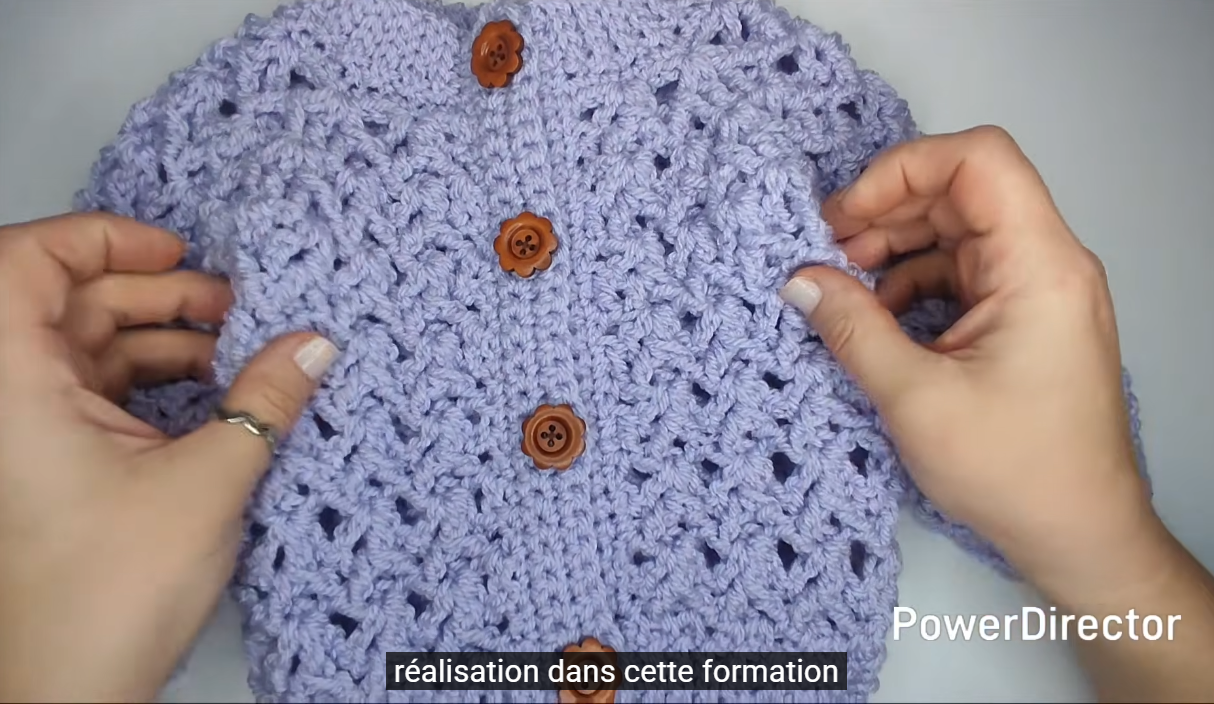
🪡 Step 2: Front Panels (Make 2)
If making a pullover, make one full front panel.
If making a cardigan, make two half-width panels.
Repeat same ribbing and body pattern as back.
For cardigan:
-
Add 2–3 extra stitches along inner edge for button band.
-
Keep edge straight (no cable too close to button edge).
Shape armholes same as back.
For neckline:
-
When reaching neck height, decrease gradually at inner edge.
-
Continue until shoulder matches back panel.
🪡 Step 3: Sleeves
-
Chain for sleeve cuff (20–24 stitches typical).
-
Work ribbing in BLO for 5–7 rows.
-
Join to work in rows or rounds.
-
Increase 1 stitch every 3–4 rows to widen sleeve.
-
Continue until desired sleeve length.
-
Fasten off.
Make two.
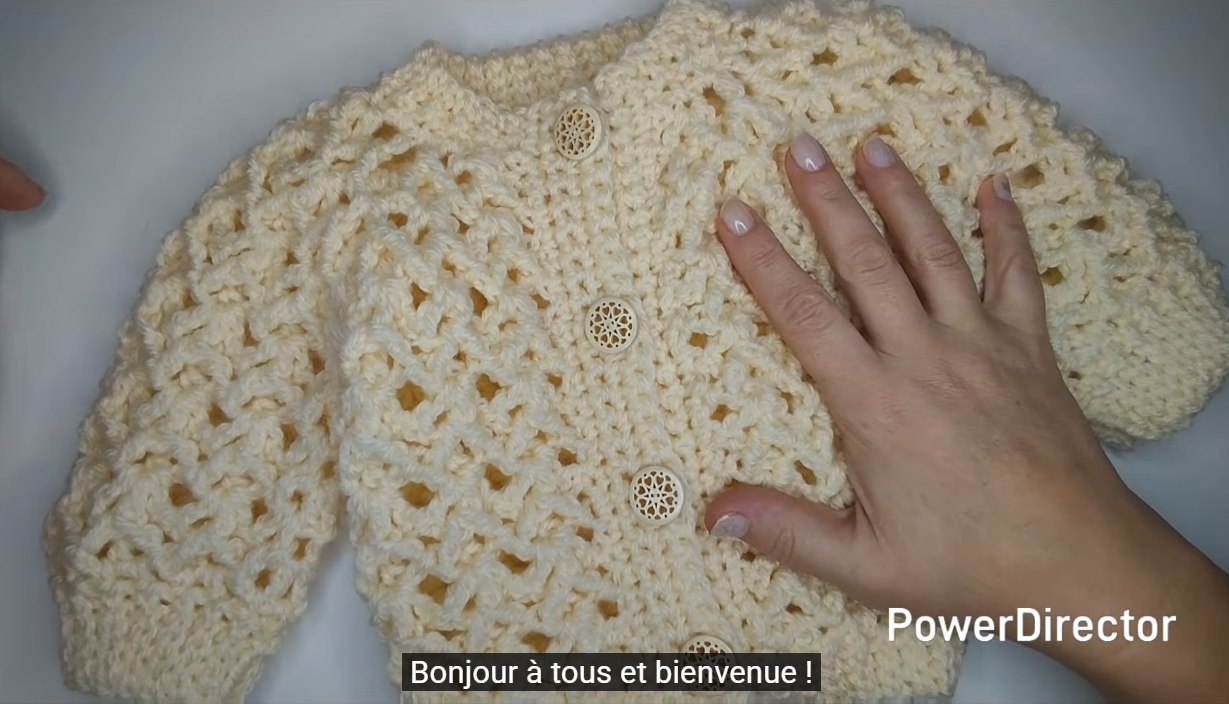
🪡 Step 4: Assembly
-
Block pieces lightly (optional but recommended).
-
Sew shoulders together.
-
Attach sleeves to armholes.
-
Sew side seams and sleeve seams.
Use mattress stitch for neat seams.
🪡 Step 5: Neckline Ribbing
-
Attach yarn at neck edge.
-
Work sc evenly around neckline.
-
Switch to FPdc/BPdc ribbing for 3–5 rounds.
-
Fasten off.
🪡 Step 6: Button Band (Optional)
For cardigan:
-
Attach yarn to front edge.
-
Work sc evenly down edge.
-
On one side, create buttonholes:
-
ch 1, skip 1 stitch, continue pattern.
-
-
Sew buttons to opposite side.
🌟 Tips for Beautiful Aran Texture
-
Keep tension even—cables show best with consistent stitches.
-
Use stitch markers to track cable sections.
-
Soft wool blends show texture beautifully.
-
Light blocking enhances cable definition.
-
Avoid overly bulky yarn for babies—comfort is key.
📐 Simple Cable Stitch (Crochet Version)
To create a 4-stitch cable:
Row 1: FPdc around next 4 stitches
Row 2: Skip 2 stitches, FPdc around next 2 stitches, then go back and FPdc around skipped stitches (crossing effect)
Repeat every 4–6 rows for defined cables.
🧡 Customization Ideas
-
Add bobbles between cables
-
Use moss stitch panels for contrast
-
Add hood instead of collar
-
Make matching booties and hat
-
Add wooden buttons for classic Aran look
If you’d like, I can also:
-
Create a full written pattern with stitch counts for a specific size
-
Make a chart/diagram layout
-
Design a modern simplified version
-
Or provide a print-friendly PDF-style pattern layout
Watch tutorial: